
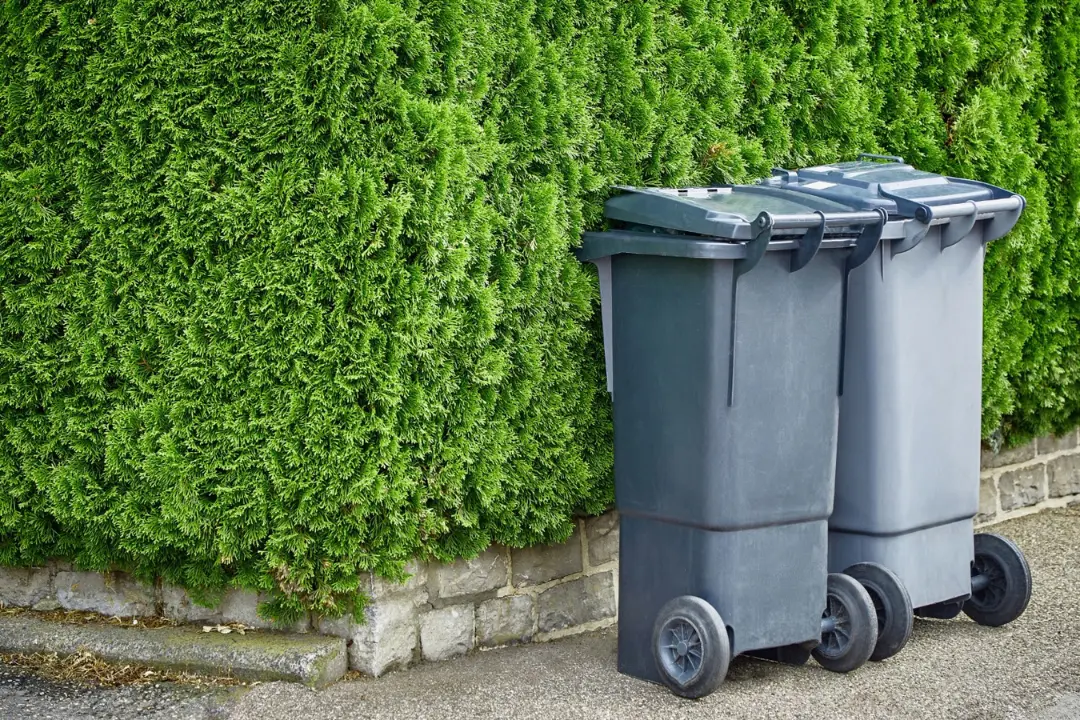
Plastic Rubbish Bin Guide for Commercial UAE Sites
A warehouse handling frozen goods in Sharjah can generate several kilograms of packaging waste before a single shift ends. That’s one reason facility teams across the UAE keep replacing small indoor units with a large-capacity plastic rubbish bin that only needs collection once or twice a week instead of daily.
Table Of Contents:
How Do Waste Bins Built for High-Turnover Sites?
Commercial locations rarely produce uniform volumes of waste. A retail unit in a shopping mall generates different output than a food processing plant in an industrial zone, yet both need waste bins that can hold a full day’s output without overflowing before pickup. Current product ranges run from 30-litre units suited to small offices up to 1100-litre containers designed for loading docks and yards. Payload ratings scale accordingly, from roughly 10 kilograms in the smallest bins to close to 1000 kilograms in the largest HDPE or PP models.
Mid-range sizes matter more than they get credit for. A 240-litre or 360-litre bin often fits the actual output of a mid-sized restaurant or clinic better than either extreme, and choosing correctly reduces how often staff handle waste transfer during business hours.
Material Choice Changes How the Plastic Rubbish Bin Performs
Plastic and metal don’t age the same way under UAE conditions. Humidity alone will start pitting untreated metal over a couple of years, especially near coastal cities. HDPE and PP completely avoids this issue. Neither corrodes from moisture, and both shrug off the disinfectants used in daily washdowns, which is exactly why kitchens and hospital wards tend to stick with plastic rubbish bin near food prep and patient areas. Metal options, usually galvanized iron, hold up under heavier mechanical stress and are common at industrial yards where bins get dragged or knocked around daily. Several plastic manufacturers in UAE produce both material types, so the decision usually comes down to the waste stream a site is managing rather than price alone.
Stainless Steel Bins for Indoor, Hygiene-Sensitive Areas
Smaller capacities tell a different story. Stainless steel bins with a pedal mechanism, typically ranging from 5 to 30-litres, are built for hands-free operation in kitchens, hospital wards, and office pantries. The pedal reduces direct contact with the bin lid, and a removable inner bucket makes bag changes and cleaning faster. These units won’t replace an outdoor 660-litre bin, but pairing indoor pedal bins with an outdoor large-capacity unit is a common setup in hospitality and medical facilities where both hygiene and volume matter.
Color Coding and Segregation Requirements
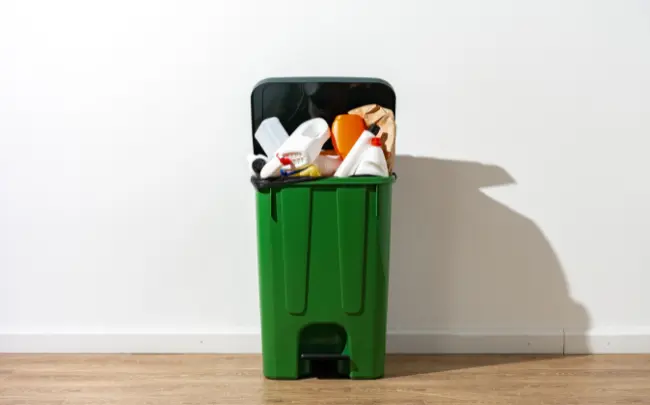
Waste segregation rules vary by emirate, but the general pattern across the UAE assigns blue bins to recyclables like paper, cardboard, and certain plastics, while green bins handle food and general waste. Getting this wrong doesn’t just create sorting confusion. It can affect a site’s compliance standing with local waste authorities, particularly for businesses in food service or healthcare.
Certification and Material Safety Considerations
For any site handling food waste, medical waste, or materials subject to health inspection, the manufacturing standard behind the bin itself is worth checking. ISO 9001:2015 certification, for example, reflects a documented quality management process rather than a marketing label, and HDPE or PP bins marketed as food-safe should be chemically inert and non-reactive with organic waste. This is not a detail to skip past when the bin sits in a kitchen, clinic, or food storage area.
Final Thoughts
Matching bin capacity, material, and color coding to the actual waste stream on site prevents the two most common problems facility teams run into: bins that overflow between collections and bins that fail inspection because they’re the wrong type for the waste going into them. Before ordering in bulk, it’s worth mapping out daily waste volume by area rather than guessing at a single size for the whole site. What does your current bin setup struggle with most: capacity, hygiene, or sorting?
FAQ
Watch one full day first. Note how full the current bin gets by closing time, then add room for your busiest day of the week, not your average one. If a 120litre bin is already tight by mid-afternoon, you’re probably looking at 240 or 360-litres next.
Not universally, no. Pedal bins in stainless steel work well for a prep station or pantry corner where staff need quick, hands-free access. Once you’re dealing with bulk kitchen waste headed outside, HDPE or PP handles the volume and the cleaning chemicals better.
Sometimes, though it depends on your floor plan. A single 1100-litre unit cuts down on how often someone deals with collection, but if waste is generated in two separate zones, two mid-sized bins often save more walking than one giant one saves in pickups.
Mostly, yes, though it varies a bit by emirate. Blue tends to be the default for recyclables like cardboard and certain plastics, while green covers food and general waste. Worth a quick check with your local municipality before ordering in bulk, since the exact code isn’t identical everywhere.
It doesn’t have to end up in a dump. HDPE and PP are both recyclable, so once a bin cracks or wears through, most facilities that process rigid plastics can take it. Just confirm your local recycler accepts container-grade plastic before you toss it out.