
Plastic Dustbins for Workplaces: Size, Type and Placement
A 30-litre bin weighs 2.1 kg and takes up to 10 kg of waste. The 240-litre model weighs 14 kg and takes up to 100 kg. That gap explains most mistakes with plastic dustbins in a workplace: one size gets ordered, then repeated in every corner. This guide covers how to read the specs, pick a type and decide where each bin belongs
Table Of Contents:What Plastic Waste Bins Are Made Of?
Multibox, based in the Sajaah Industrial Area of Sharjah, lists its plastic waste bins in high-density polyethylene (HDPE) or polypropylene (PP). The company describes both materials as chemically resistant and recyclable, which matters anywhere cleaning products or oily waste are part of the daily routine.
It also calls itself one of the plastic manufacturing companies in UAE with a global sourcing network and says custom sizes, load ratings and colour coding can be arranged through its manufacturing partners. Its quality management for plastic trading holds ISO 9001:2015 certification from WRG Certification. That certificate speaks to the process. It does not tell you whether a particular bin suits a particular job, so the specs still need reading.
Matching Size to the Job
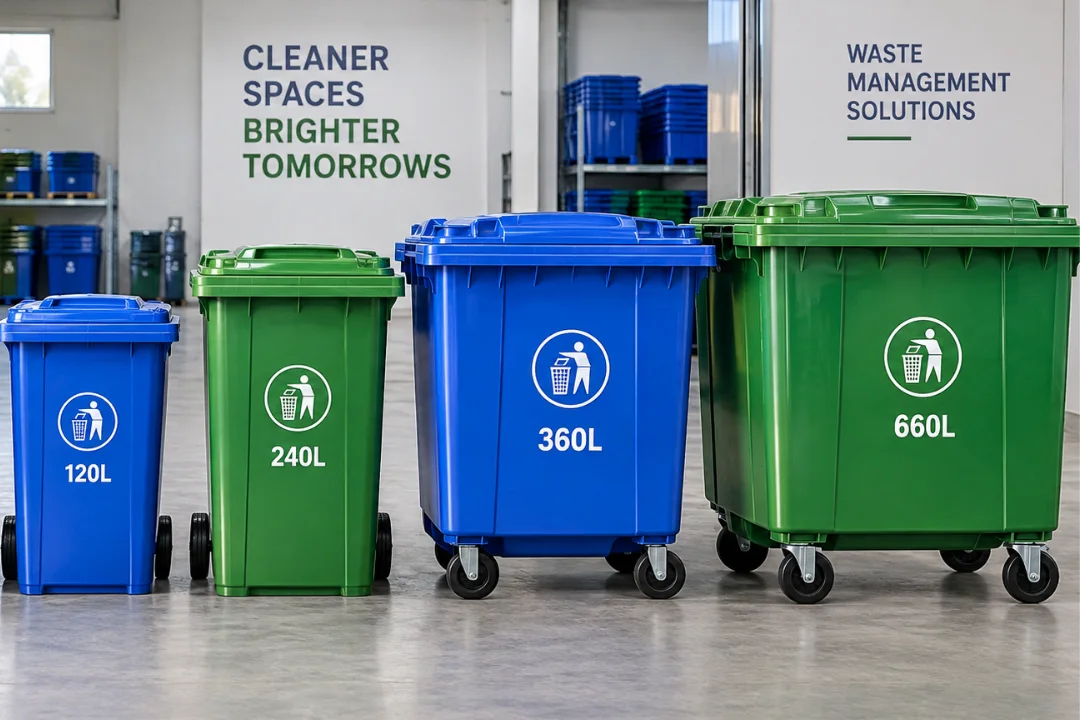
The published listings provide a workable map. The 30-litre bin, 400 × 382 × 430 mm, is described for office and commercial use. So is the 80-litre at 490 × 470 × 840 mm, with a 40 kg maximum payload. The 120-litre unit also carries 40 kg and is listed for indoor and outdoor use.
From 240 litres upward, the descriptions shift to commercial and industrial waste management. The 360-litre model is rated at 144 kg, the 660-litre at 265 kg, and the 1100-litre at 1000 kg.
Payload is a ceiling, not a target. Wet waste weighs far more than dry paper, so a bin that looks half full can already be close to its limit. Bag size deserves a review too, since garbage bags are listed in centimetres to match each bin, and a liner that slips inside the rim is a daily nuisance. Figures come from published listings and can change, so confirm them on the product page before ordering.
Sorting by Type: General, Recycling and Stainless Steel
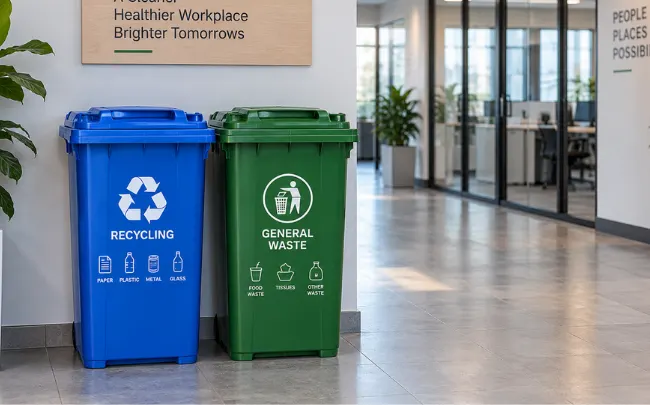
A general waste bin takes material that cannot be recycled. The category page says blue bins are typically used for recyclables such as paper, cardboard and some plastics, while green bins are for food and general waste. Plastic dustbins for both streams look alike, so colour and labelling do the sorting. Collection rules and colour conventions can differ between emirates and buildings, and this overview of waste management in the UAE outlines how the system works across the emirates, so confirm with your waste collector or landlord before labelling anything.
Stainless steel pedal bins, listed from 5 to 30 litres, suit spots like reception areas where appearance counts. The listing calls stainless steel a durable choice for upscale environments.
Where a Spare Parts Bin Fits
Workshops, warehouses and service centres usually need a second kind of container beside the waste bin. Multibox lists five spare parts bin sizes, from 170 × 100 × 75 mm up to 515 × 310 × 200 mm, in HDPE or PP. The category describes a front label slot, oil and chemical resistance, stackable bodies that mount on racks, and bright colour options for sorting different items.
Placement: Where Plastic Dustbins Actually Belong
Read the dimensions before choosing a spot. A 240-litre bin covers 730 × 570 mm of floor and stands 1070 mm tall. The 660-litre model needs 1220 × 760 mm, reaches 1240 mm high and weighs 42 kg before anything goes in. Those are corridor and doorway questions as much as floor-space questions, because someone has to move a full one.
Group bins where waste is actually produced, and label them at eye level so colour and sign agree. For layout and signage in commercial premises, municipal guidance is a better reference than any product page.
When a Bin Is Not Enough
Multibox lists its bins for medical, kitchen, bathroom and general use and names hospitals and restaurants among the places they go. Even so, a general-purpose bin is not a stand-in for regulated clinical waste containers. Sharps, infectious items and chemical waste fall under health and environmental authority rules, and a facility’s compliance lead should confirm the right container.
Final Thoughts
Walk the space with a tape measure and a note of what each area throws away. Match those notes to the payloads on the listings, then check the bag sizes. The waste bins category page covers the range, and the spare parts bin page covers the storage side. Which corner of your workplace has the wrong bin right now?
FAQ
Start with 30 or 80 litres. Multibox lists both for office and small commercial use, with payloads of 10 kg and 40 kg. Watch how quickly they fill over a week, then adjust.
Blue is typically used for recyclables like paper, cardboard and some plastics. Green usually takes food and general waste. Rules can differ by emirate and building, so check with your waste collector first.
Ordinary bins suit general waste only. Sharps, infectious items and chemical waste follow health authority rules and need containers made for them. A product listing that mentions medical use is not approved, so ask your compliance lead.
Workshops and warehouses use them to keep small components sorted and easy to find. Listed sizes run from 170 × 100 × 75 mm to 515 × 310 × 200 mm, and they fit racks, trolleys or shelves.