
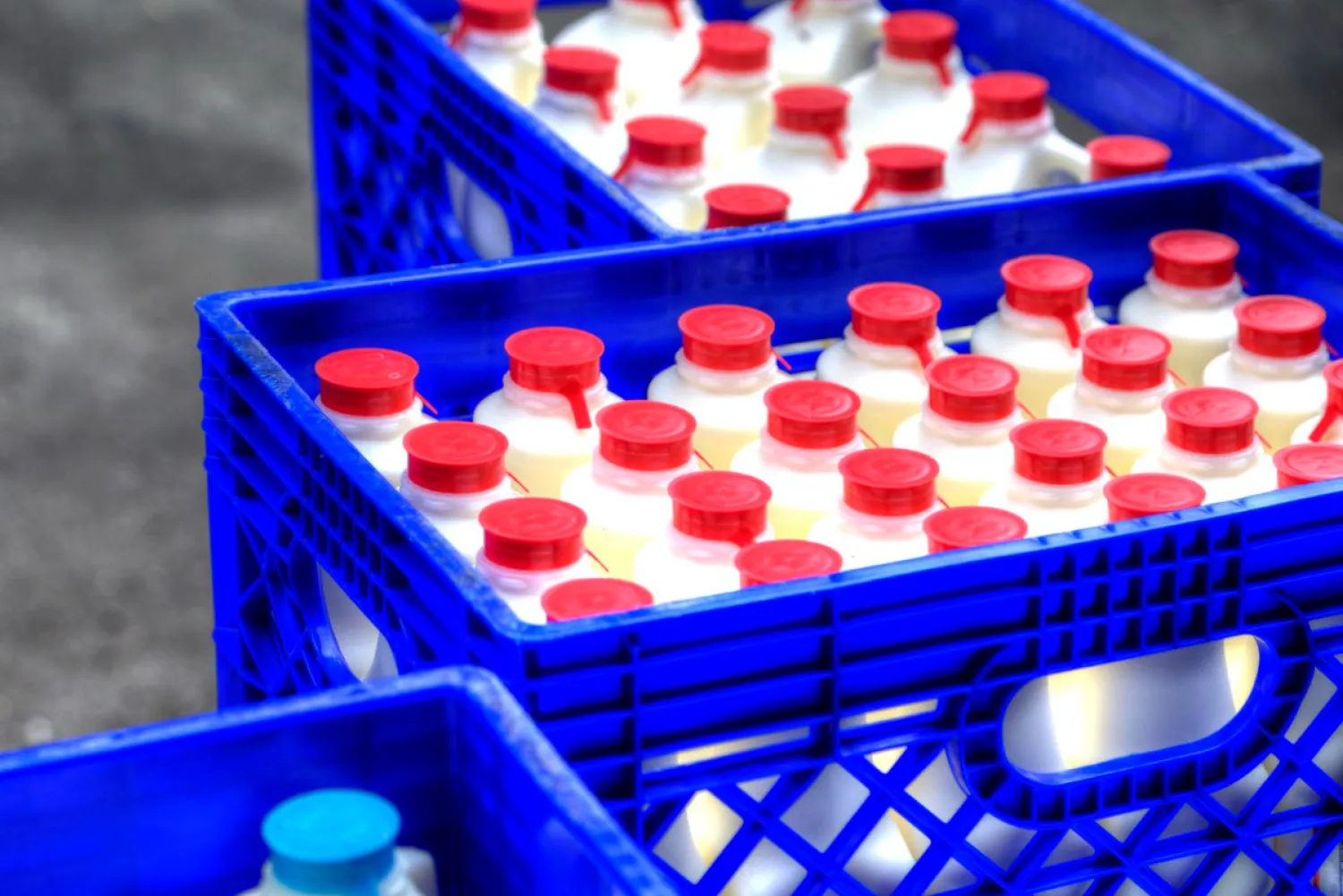
Why the Modern Plastic Dairy Crates Are a Logistics Must
Think about your supply chain for a second. Most people ignore the humble milk crate until one cracks, spills a load, or disappears. But if you’re moving thousands of units a day across the UAE, that “simple” box is actually a high-performance tool.
Old-school transport methods used to be heavy, unhygienic, and frankly, a pain to stack. Today, the tech behind these containers has shifted. We aren’t just talking about plastic boxes; we’re talking about the high-density polyethylene (HDPE) engineering designed plastic dairy crates to survive the heat, the wash cycles, and the rough handling of a busy warehouse.
Table Of Contents:
What Makes Modern Plastic Dairy Crates Better Than Old Versions?
The best dairy crates today are built from food-grade HDPE, which makes them lighter, stronger, and much easier to sanitize. Unlike wood or metal, these plastic containers don’t harbour bacteria or rust when exposed to moisture. In a high-turnover industry like dairy, weight matters. Every gram you shave off a crate is a gram you save in fuel costs and physical strain on your team. Modern designs use reinforced corners and ribbed walls to handle massive vertical loads without the bulk. They’re built to be abused and keep coming back for more.How Stackable Plastic Crates Improve Warehouse Efficiency
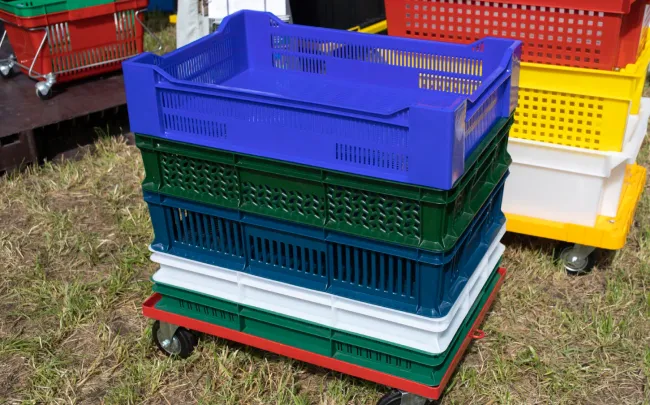
Space is money. If your crates don’t nest or stack perfectly, you’re paying to ship air. Modern stackable plastic dairy crates are designed with precision interlocking teeth. This ensures that a stack of twenty stays stable even on a moving truck.
The design also allows for better airflow. In the dairy world, keeping temperatures consistent is vital. Ventilation holes in these crates aren’t just for looks; they allow cold air to circulate around the milk bottles evenly, reducing the risk of spoilage during transit. It’s a small detail that saves thousands in lost products.
Why Durability is the Ultimate Sustainability Move
We hear a lot about “going green,” but the greenest thing you can do is buy equipment that doesn’t need to be replaced every six months. A high-quality plastic milk crate can last for years, even with daily power-washing and constant sun exposure.
These crates are 100% recyclable at the end of their long life. But before they get there, they’ll handle thousands of trips from the farm to the supermarket shelf. It’s about reducing waste by choosing quality over “cheap and disposable.”
Customization and Branding for the UAE Market
In a crowded market, your crates shouldn’t just be functional; they should be recognizable. Many producers now opt for custom colours and hot-stamped logos. This serves two purposes. First, it makes your brand pop at the point of delivery. Second, it helps prevent “crate drift”—the annoying habit of your expensive assets ending up in a competitor’s warehouse.
Final Thoughts
The “Dairy Crate Revolution” isn’t about flashy gadgets. It’s about getting the basics so right that you stop thinking about them. When your crates stack perfectly, clean easily, and never break, your business runs smoother. Simple as that.
Are you still using brittle, outdated crates that eat into your margins? It might be time to look at what modern HDPE can do for your bottom line. Check out the latest specs and see the difference for yourself.
FAQ
Absolutely. HDPE is specifically chosen because it doesn’t get brittle in the sun or melt in the back of a hot truck. Whether it’s 45°C outside or -2°C in a chiller, the crate keeps its shape.
No. That’s the whole point of using plastic. They have smooth internal surfaces so there’s nowhere for milk residue or bacteria to hide. Hit them with a high-pressure hose and they’re good to go.
Because you’ll buy them twice. Cheap plastic snaps under pressure or warps when stacked high. If a stack collapses in a truck, you’ve lost the “savings” and a whole lot of product. Buy quality once.
Yes. We can do custom colours and branding. It’s a smart move for tracking your inventory and making sure your crates actually come back to you.