
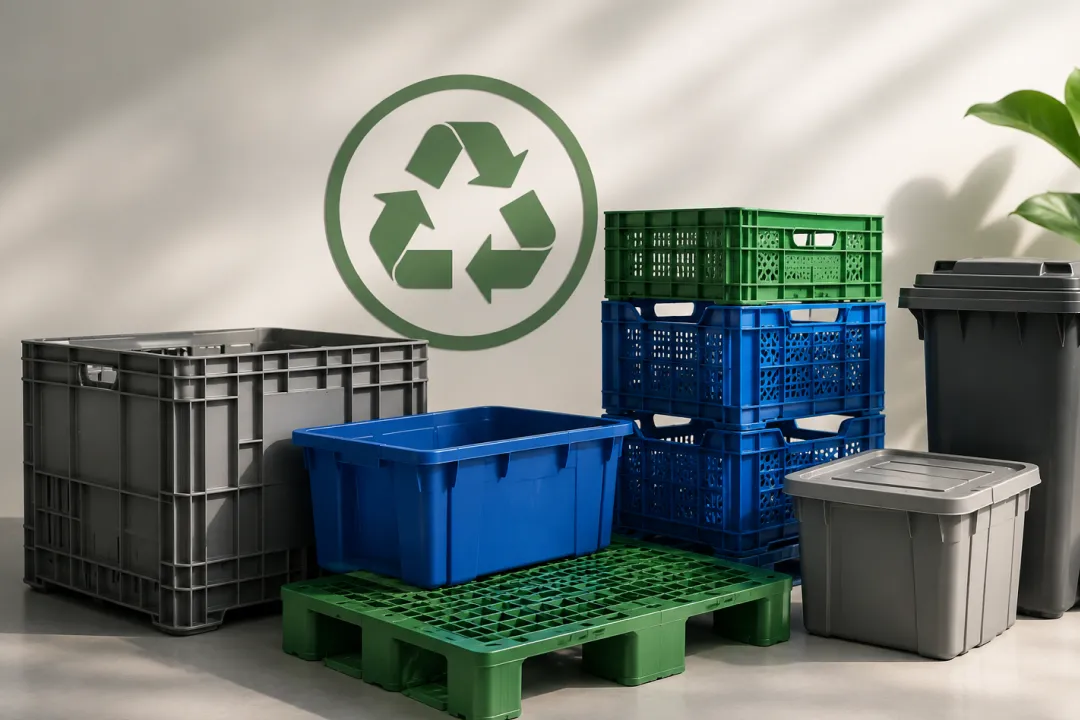
Looking for a Lawful Plastic Company in Dubai? Here is the Reality
Let’s be honest. Navigating the changing rules around plastic in the UAE is a headache right now. If your business depends on packaging, shipping, or storage, a single compliance mistake can cost you a massive fine. You need clear answers on what is actually allowed. Finding a reliable plastic company in Dubai that understands these shifting laws is the only way to protect your business.
The rule makers aren’t trying to kill your logistics chain. They want to eliminate throwaway garbage.
Table Of Contents:
How New Rules Shift What a Plastic Company in Dubai Can Sell
Dubai didn’t just ban plastic overnight. They used a stepped approach under Executive Council Resolution No. 124 of 2023. The target? Disposable trash. Takeaway boxes, thin retail bags, and items meant to be tossed after five minutes.
When working with commercial plastic manufacturers in UAE, make sure they are updating their catalogs to stay compliant. If a supplier tries to sell you cheap, flimsy materials, walk away. Inspections are real, and the fines hit your bottom line directly.
Here is the exact hit list of banned items you cannot import, make, or trade anymore:
- Flimsy checkout bags under 50 microns thick.
- Plastic plates, cups, lids, spoons, forks, knives, and stirrers.
- Styrofoam boxes used for hot meals and takeaways.
- Cotton buds with plastic sticks and disposable plastic table mats.
What Plastic Gear Can You Legally Buy Right Now?
The bans target single-use waste. They do not target heavy-duty commercial infrastructure. Industrial logistics, food production plants, pharma setups, and warehouses still need durable polymers to function.
The Golden Rule: If you use it once and chuck it, it is likely illegal. If it is built to survive years of warehouse abuse, it is perfectly fine.
| Completely Illegal Now | 100% Safe and Legal |
|---|---|
| Thin grocery bags | Multi-use plastic pallets |
| Styrofoam meal boxes | Industrial stackable crates |
| Disposable cups & lids | Heavy-duty warehouse bins |
| Plastic party plates | Chemical spill pallets |
Warehousing and Heavy-Duty Industrial Plastic Storage
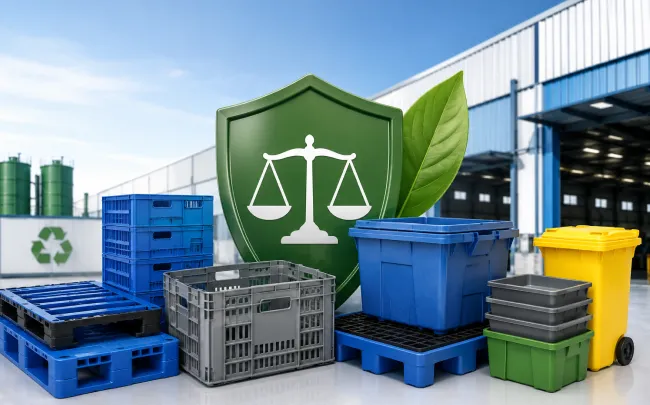
Buying from an established plastic company in Dubai is completely safe if you buy the right gear. Heavy-duty industrial plastic storage options actually support local green goals because they stay in the loop for a decade, preventing waste.
Your warehouse operations can legally use these heavy-duty items:
- Plastic Pallets: Clean, tough, and way better than splintered wood for food or pharma setups.
- Plastic Crates: Solid or vented boxes for moving produce, auto parts, or bakery items.
- Spill Pallets & Heavy Bins: Necessary tools to stop chemical leaks and keep your floor safe.
- Large Box Pallets: High-volume storage boxes that handle forklift wear and tear daily.
Do Any Single-Use Plastics Get a Free Pass?
Yes, a few. The government knows some industries have zero alternatives right now. They also want to boost local recycling plants, so goods made from recycled local trash get a green light.
You can still use these specific single-use items without getting fined:
- Ultra-thin wrap bags for fresh meat, bread, or vegetables.
- Packaging for medicines and pharmaceutical items.
- Thick, heavy industrial garbage sacks.
- Large retail bags meant for heavy items like electronics or clothing.
Final Thoughts
Compliance isn’t optional anymore. It’s time to audit your supply chain and ditch the cheap disposables for real, multi-use gear. Are your current warehouse containers fully compliant, or are you sitting on a compliance risk?
FAQ
Yes, completely. Don’t panic about your warehouse setup. The ban targets single-use consumer waste like plastic spoons and takeaway boxes. Industrial gear like heavy-duty crates, pallets, and storage bins is 100% legal because it is built for years of repeated use.
They start at Dh200 for a first offence. But don’t let that low number fool you. If you get caught violating the rule again within the same year, the fine doubles every time, maxing out at Dh2,000 per violation. It adds up fast if an inspector goes through your entire inventory.
No, that won’t work. Dubai’s ban covers all disposable bags under 50 microns thick, no matter what they are made of. Paper, plant-based plastics, and regular plastics are all banned if they are thin and disposable. The goal is to make people switch to thick, reusable bags.
Yes. If the plastic products are made locally inside the UAE using recycled materials, they get an exemption. The government wants to encourage a circular economy, so buying products made from local recycled waste is a smart, legal move.