
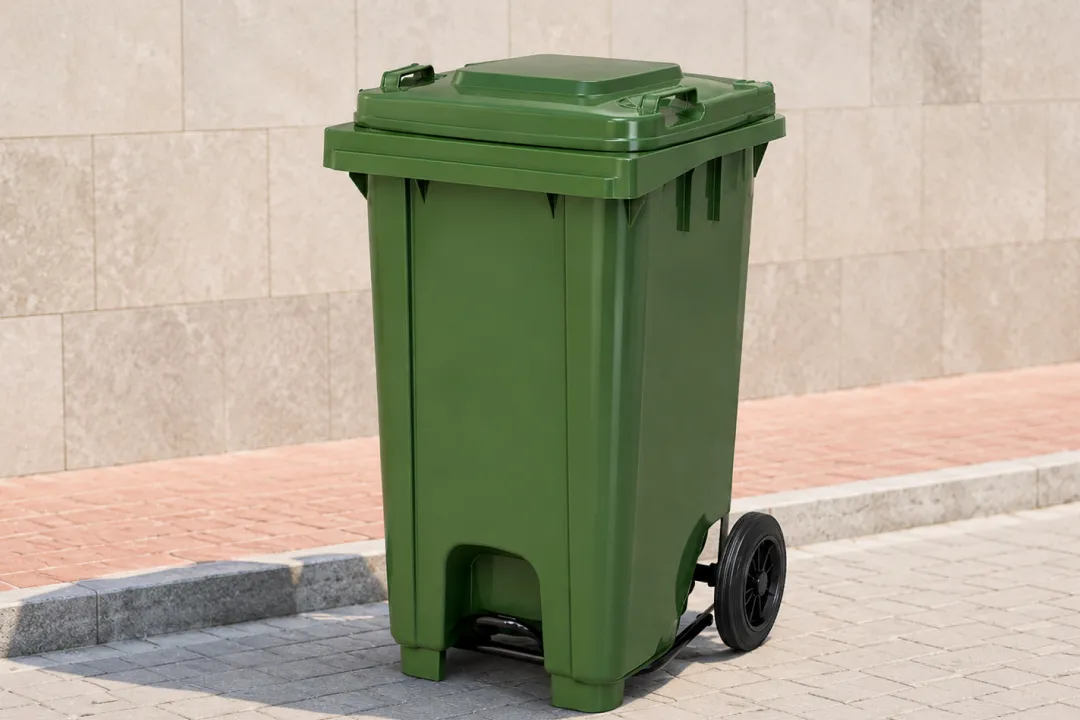
How Plastic Bin Suppliers in UAE Improve Waste Sorting
Walk through any busy warehouse, hospital corridor, or hotel loading bay in the UAE and you’ll spot the same quiet workhorse doing its job. The humble waste bin. Most people never think twice about it. But ask any facility manager who has watched a cheap bin crack in the Sharjah summer heat, and they’ll tell you the difference a properly built bin makes. The plastic bin suppliers in UAE who get this right are quietly reshaping how the country handles its waste, one durable container at a time.
So what separates a bin that lasts a decade from one that splits after a season? Let’s get into it.
Table Of Contents:
What Does Actually Make a Waste Bin Durable?
Durability starts with material. The bins that hold up in demanding conditions are usually moulded from HDPE and PP. High-density polyethylene resists chemicals and impact, while polypropylene handles repeated flexing without going brittle. Both are food-safe and recyclable, which matters a lot when you’re dealing with kitchens, clinics, or agricultural sites.
Then there’s UV resistance. This one gets overlooked constantly. A bin parked outside a building in Dubai takes a brutal amount of direct sun. Without proper UV stabilisation, the plastic fades, weakens, and starts cracking. Bins designed for the local climate are built to shrug that off.
Capacity, Lids, and Wheels: The Practical Stuff
Here’s where the right supplier earns their keep. Waste needs vary wildly. An office pantry might do fine with a 30L or 80L bin, while a shopping mall or industrial facility needs the big 660L or 1100L containers that roll out for collection.
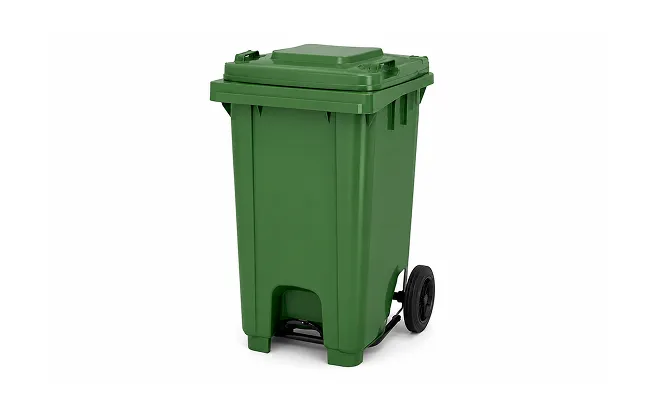
Capacity is the obvious spec, but lid type and wheel options decide how usable a bin really is day to day. A pedal-operated lid keeps hands clean in a hospital. Wheels turn a 240kg load of waste into something one person can move. Multibox, for instance, stocks bins ranging from compact 30L units up to heavy-duty 1100L containers with payload ratings into the hundreds of kilos, plus stainless steel pedal bins for cleaner indoor settings.
Why Sorting and Colour Coding Matter
Good bins do more than hold rubbish. They make sorting possible. The UAE follows a waste bin colour code that helps separate recyclables from general waste at the source. Blue tends to mean recyclables like paper and cardboard. Green usually handles food and general waste.
When suppliers build bins that line up with this system, recycling rates climb and contamination drops. That’s a real environmental win, not a marketing line.
Where Plastic Bin Suppliers in UAE Stand Out for Reliability
You can have the best bin design in the world, but if your supplier can’t deliver on time or backs the product with nothing, you’re stuck. Supplier reliability is the part nobody talks about until something goes wrong.
This is where ISO certification gives buyers a useful signal. An ISO 9001:2015 quality management standard means a manufacturer follows consistent, documented processes rather than winging it order to order. Multibox, one of the plastic manufacturers in UAE operates from an ISO 9001:2015-certified facility in Sharjah and has supplied across more than fifteen countries over its years in the business. That kind of track record tells you the bins arriving at your dock will match the ones you saw in the catalogue.
For the technically minded, the questions worth asking a supplier are simple. What material grade? Is it UV stabilised? What’s the payload rating? Can you confirm the certification? A supplier who answers those clearly is one worth keeping.
Final Thoughts
Better waste management in the UAE isn’t really about fancy technology. It comes down to the unglamorous fundamentals: tough materials, smart sizing, proper lids and wheels, and plastic bin suppliers in UAE you can actually rely on. When those line up, sorting gets easier, bins last longer, and less waste ends up in landfill.
So before your next purchase, ask yourself this. Is the bin you’re buying built for the UAE’s climate and your real workload, or just the cheapest option on the shelf?
FAQ
Both are tough, recyclable plastics. HDPE shrugs off chemicals and hard knocks really well, while PP bends and flexes without cracking. For most waste bins either works great, and good suppliers offer both.
Think about how much waste you actually generate and how often it gets collected. Small spaces like offices do well with 30L to 120L bins. Malls, hospitals, and industrial sites usually need 360L, 660L, or 1100L containers on wheels.
Yes. The local colour code helps sort waste at the source: blue for recyclables, green for general and food waste. Using the right colours keeps recycling clean and keeps you compliant.
ISO 9001:2015 means the manufacturer follows a consistent quality process. In plain terms, it lowers the odds you’ll get a dodgy batch that doesn’t match the spec you ordered.
Only if it’s UV stabilised. Regular plastic fades and cracks under constant UAE sun. Ask the supplier directly whether the bin is rated for outdoor use before you buy.