
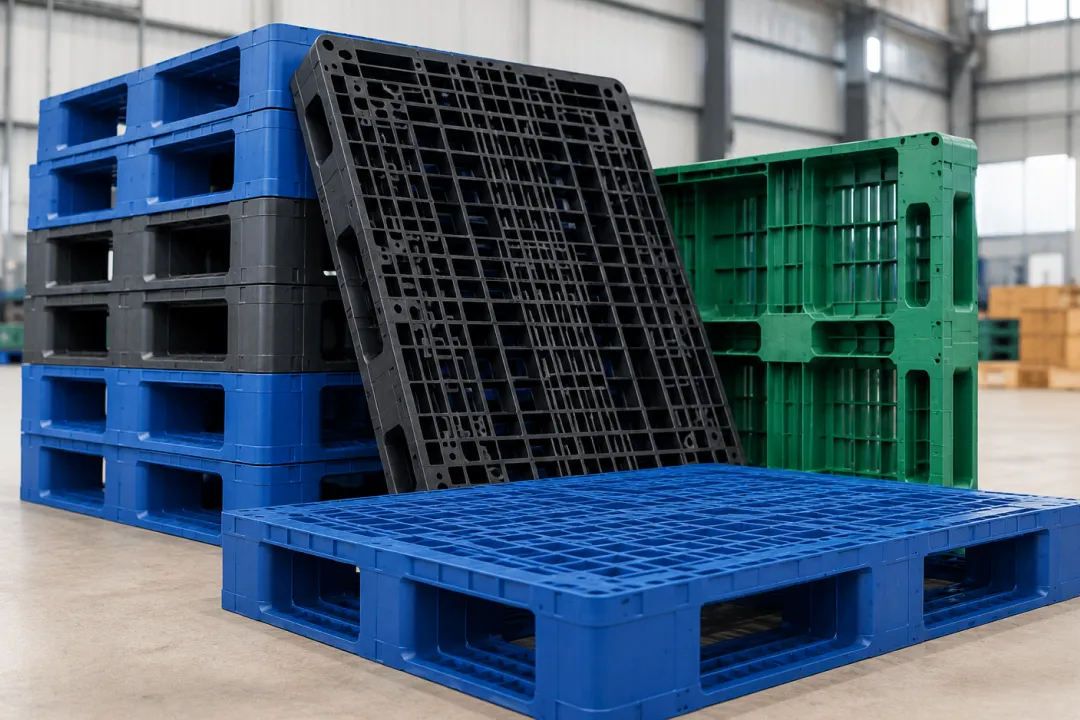
Plastic Pallet Suppliers in UAE: What Actually Matters
Pick the wrong plastic pallet suppliers and you will feel it fast. A cracked pallet mid-shift. A delayed shipment because the load shifted. Stock that arrived damaged because nothing held properly. These are real operational problems, and they all trace back to one decision made during procurement.
The UAE has become a serious sourcing hub for businesses that need plastic pallets built to last. Logistics companies, cold chain operators, food processors, and pharma distributors are all looking at local supply with a lot more interest than they were five years ago. And for good reason.
Table Of Contents:
Why Plastic Pallet Manufacturers in UAE Are Now a First Choice
For a long time, businesses in the Gulf defaulted to imported pallets from Europe or Asia. It felt safer. The big names, the familiar catalogs. The problem was always lead time and the buffer stock it forced you to hold.
Plastic pallet manufacturers in UAE changed that equation. Companies operating out of UAE industrial zones Sharjah in particular now runs production with modern injection moulding technology, international certification, and the kind of turnaround that overseas suppliers simply cannot match.
Multibox is one example worth knowing. Based in Sajaah Industrial Area, Sharjah, they have operated for over 13 years and hold ISO 9001:2015 certification through WRG Certifications. That certification covers the quality management side of their plastic trading operations. It is not a badge; it means their production process runs under continuous audit.
Their product line covers pallets, spill pallets, pallet boxes, crates, waste bins, and spare parts bins. More than 500 products across the catalog. Over 1,000 customers. Shipments going to more than 15 countries.
The Material Question Nobody Asks Early Enough
Most buyers focus on price and delivery. The material spec conversation usually happens after a problem surfaces.
Plastic pallets in the UAE market are typically made from HDPE or PP – high-density polyethylene or polypropylene. Both are structurally sound choices for industrial use. Both are chemically resistant and recyclable. The difference shows up in specific conditions.
HDPE handles impact and low-temperature environments better. If your pallets move through a cold chain or face rough handling on loading docks, HDPE is the safer call. PP is stiffer under static load, which works well for pallets sitting in controlled warehouse environments.
Multibox works with both materials. All products are food-safe and built to handle industrial applications across retail, food and beverage, pharmaceutical, and logistics sectors.
If a supplier cannot tell you which material their pallets are made from, or cannot provide a spec sheet on request, that is a red flag worth taking seriously. Especially in regulated sectors like food handling or pharma, material traceability is not optional.
What Separates Reliable Plastic Pallet Suppliers From the Rest
Here is a short version of what actually separates a dependable plastic pallet supplier from one that looks fine on paper.
- Certification You Can Verify: ISO 9001:2015 from a recognized body means the quality process is audited, not just claimed. Multibox's certification comes through WRG Certifications, which is globally recognized. Ask any prospective supplier for their certificate number and verify it directly.
- Breadth of Range: Your operation probably needs more than pallets. Crates, bins, spill containment. Buying from a single supplier with a wide product catalog simplifies your procurement and builds a supplier relationship that works two ways; they understand your volume patterns, and you get consistent pricing and priority dispatch.
- Export Experience: A manufacturer shipping to 15-plus countries has solved problems most domestic-only suppliers have never encountered. Packaging for air freight, documentation for customs, handling complaints across time zones. That experience shows up in how they manage your account.
- Custom Capability: Standard pallet sizes cover most applications. But agriculture, automotive, and specialty cold chain operations often need specific dimensions or load ratings. A manufacturer with custom fabrication capability gives you options. An importer does not.
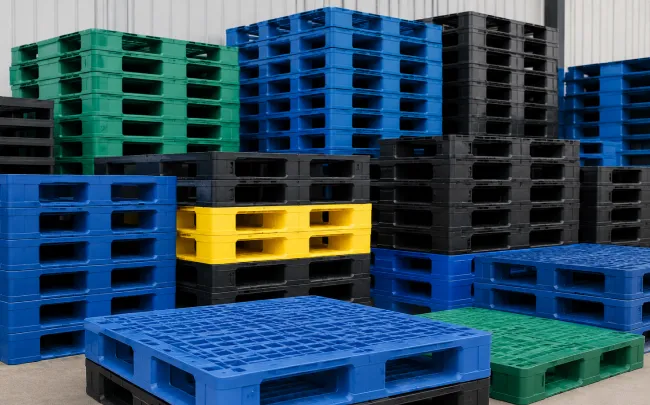
The Sectors Driving Pallet Demand Across the UAE
Retail distribution centers need clean, hygienic, stackable pallets that move smoothly through automated sorting. Food facilities need ventilated options that pass hygiene audits. Pharma warehouses need documented material specs they can attach to compliance records. Cold chain operators need pallets that do not warp or crack at low temperatures.
None of these are the same requirement. A supplier that has delivered across all of them brings applied knowledge that a price sheet cannot communicate.
Multibox serves all of these segments from its Sharjah facility. The product range and customer base reflect years of solving sector-specific problems rather than selling off a single SKU list.
Final Thoughts
Sourcing plastic pallets locally in the UAE is not just a cost or convenience argument anymore. It is a supply chain decision that affects lead times, product quality, regulatory compliance, and the kind of supplier relationship your operation can actually rely on.
Before you renew with whoever you are using now, it is worth asking honestly: is this supplier certified, experienced, and capable of growing with your operation, or are you just re-ordering because it is familiar?
What problem are your current plastic pallet suppliers still not solving for you?
FAQ
Start with their ISO certification and verify it; do not just take a copy they email you. Then look at how long they have been running, which industries they supply, and whether their material specs are documented. Price should be the last thing you negotiate, not the first thing you check.
They can be, but you need to confirm the material grade. Food-safe HDPE and PP are non-porous, chemically resistant, and compliant with food contact regulations. Any reputable manufacturer will have documentation for this. If they hesitate to provide it, source elsewhere.
Depends on your environment. HDPE absorbs impact better and handles cold temperatures without becoming brittle, which is good for cold chains and rough handling. PP is stiffer and works well under consistent static loads in stable conditions. Ask your supplier which material they use and why. A good manufacturer will match the spec to your use case.
When you factor in shipping, customs, import duties, and the buffer stock you need to hold because lead times are unpredictable, the cost advantage of imports often disappears. Local supply also means faster resolution when something goes wrong. That matters more than people realize until something does go wrong.
Yes, from manufacturers with actual fabrication capability. Not from distributors re-selling imported stock. If your operation has non-standard load requirements or specific footprint dimensions, look for a manufacturer that lists custom solutions as part of their offering.